
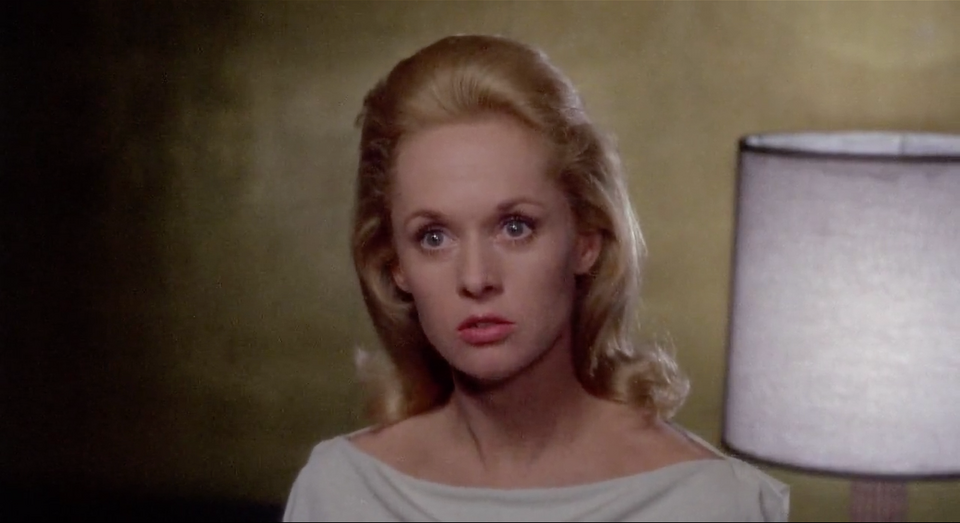
Marnie
USA, 1964
Director: Alfred Hitchcock
Screenplay: Jay Presson Allen, based on the novel by Winston Graham
Genre: Psychological thriller
Soundtrack composer: Bernard Herrmann
Editing: George Tomasini
Production: Alfred J. Hitchcock Productions / Universal Pictures
Cast
Tippi Hedren (Marnie Edgar)
Sean Connery (Mark Rutland)
Diane Baker (Lil Mainwaring)
Martin Gabel (Sidney Strutt)
Louise Latham (Bernice Edgar)
Bob Sweeney (Bob)
Milton Selzer (Mr. Rutland)
Alan Napier (Mr. Rutland)
Bruce Dern (sailor)
Mariette Hartley (Susan Clabon)
Plot
A robbery has been committed in an office. The main suspect is a woman who worked as a secretary and has fled.
At the same time, Marnie, a brunette, dyes her hair blonde and moves to another city. After visiting her mother, with whom she does not have a particularly warm relationship, she sets about looking for a new job as a secretary. Could she be the thief who stole from her previous office?
In her new job, Marnie meets Mark, the owner of the company. He begins to court her, and soon realizes that the mysterious and distant young woman is not only involved in several thefts, but also hides a very dark past…
Commentary
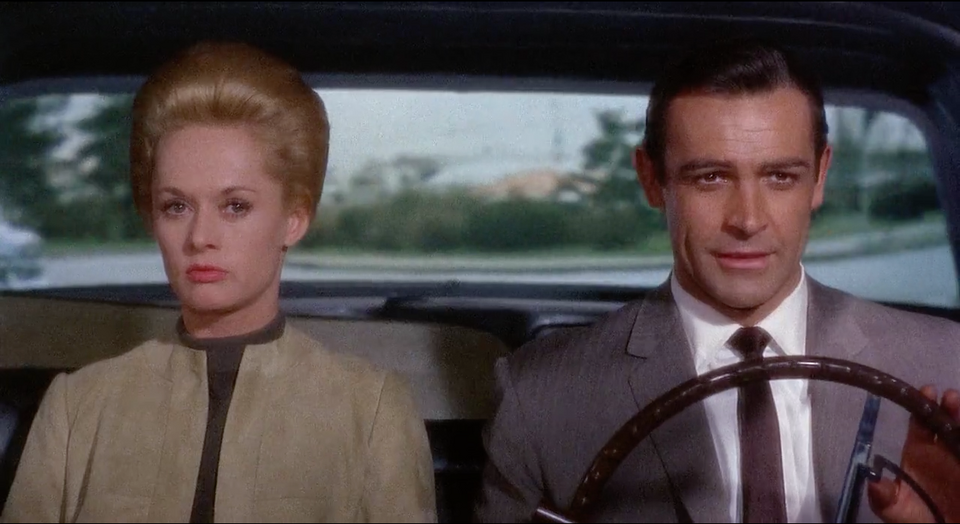
In this memorable psychological thriller, Hitchcock portrays the troubles of a disturbed woman who becomes a chameleon-like, wandering kleptomaniac. Marnie (Tippi Hedren) comes from a dysfunctional family, with an absent father and a mother who (apparently) never loved her. As an adult, she suffers from sexual phobia, hysteria, panic attacks triggered by the color red and storms, as well as terrifying nightmares. She constantly moves from city to city, fleeing from one place to another and always changing her identity, both her name and her appearance. Her only link to the past is her mother, with whom she keeps in touch but by whom she does not feel loved. Mark, for his part, feels dangerously attracted to this broken woman and will seek a way to “repair” her. To do so, he must delve into her murky past and uncover secrets that will dispel the web of lies that Marnie has compulsively spun over the years.
The protagonist is certainly a thief, a kind of “black widow” who robs the men who feel attracted to her (they hire her as a secretary only because of her beauty, even though she has no references); but at the same time, she is a victim. The film is a psychoanalytic portrait of trauma, in which Mark (Sean Connery) attempts to confront the woman he loves with her deepest fears, with the aim of healing her: shock therapy. The climax of the film is a regression, recreating the key traumatic event of the entire plot.
The film subtly hints at a dynamic that began in the 1960s and continues to this day: the battle of the sexes. The social tendency for men and women to be at odds with each other rather than complementing each other. One message that could be interpreted from “Marnie” is that when a woman commits crimes or does something wrong, the real culprit (or the one responsible) is a man—and by extension, “the patriarchy.” It could be argued that the conclusion of the story is conciliatory, since it is also a man who “heals” the protagonist. But in this particular case, this approach suggests that when a man pursues a woman, it is a good idea to become her therapist—something that generally does not work in real life—or worse, that one can win her over with gifts (the horse Mark gives Marnie, the honeymoon cruise, etc.), that is, “buy” her. Similarly, it is shown that Mark, despite his good intentions, blackmails Marnie in a way: he gives her the choice of “me or jail” when he “proposes” marriage.
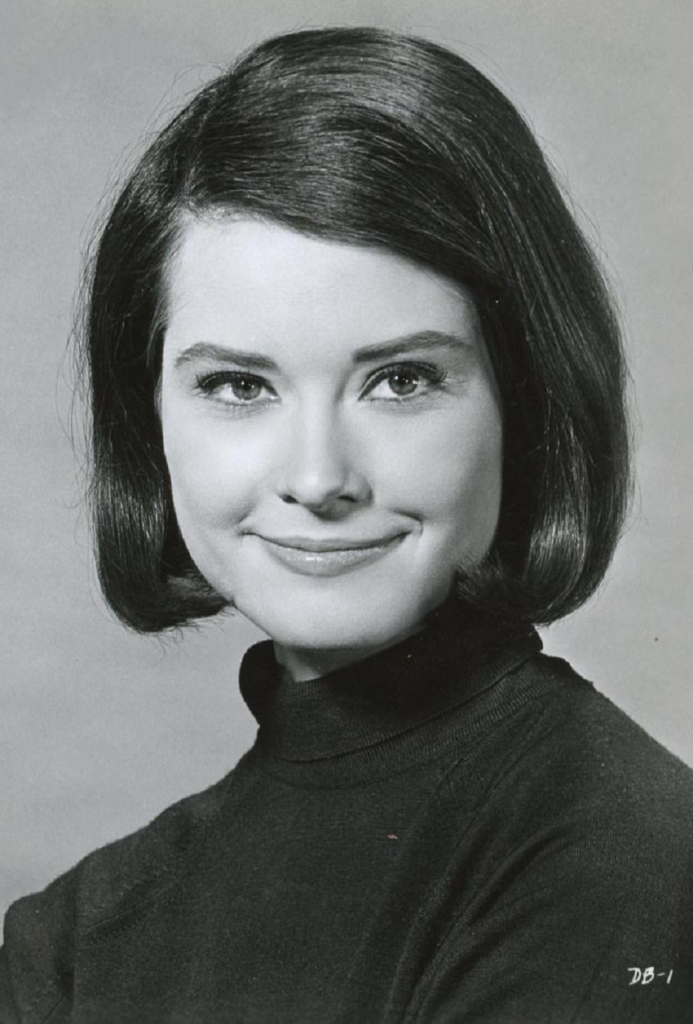
Another interesting detail is the relationship between Mark and his sister-in-law Lil (Diane Baker), his first wife’s sister. She is very jealous of Marnie (even though she smiles in her presence) and will do everything she can to sabotage the relationship. In one scene, she and Mark are seen kissing on the mouth. It is also striking that at the social event (to which Lil has invited Marnie’s former boss, who was the victim of one of her thefts!), Lil wears a bright red dress, the color that awakens the protagonist’s phobias and traumas.
Childhood trauma as the cornerstone of the story is a device that Hitchcock would use again in Psycho (where the relationship with the mother is also crucial, but on that occasion showing a male character). There is no doubt that these films would inspire, among many other filmmakers, Dario Argento for his Deep Red (1976) – the same deepred that causes Marnie so much anguish is so important there that it even became the title.
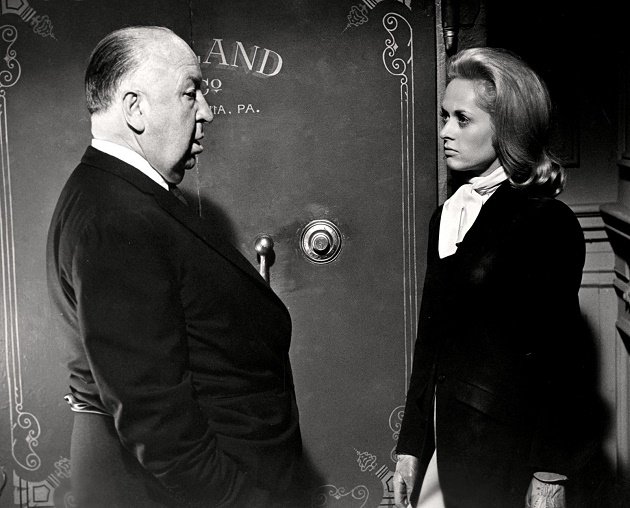
The psychoanalytical story is based on a novel of the same name, written in 1961 by Winston Graham. Tippi Hedren, who plays the protagonist, was already starring in The Birds (1963), which Hitchcock filmed the previous year, also based on a literary work (a story by Daphne du Maurier). Hitchcock himself, actually, can be clearly seen in one of the early scenes (leaving an apartment) in one of his famous cameos.
Felix Hahlbrock Ponce
(Get my books HERE)
Get Marnie HERE!
(This is an affiliate link. I may earn a commission if you purchase through these link, at no extra cost to you. As an Amazon Associate, I earn from qualifying purchases.)